Monday, May 19, 2014

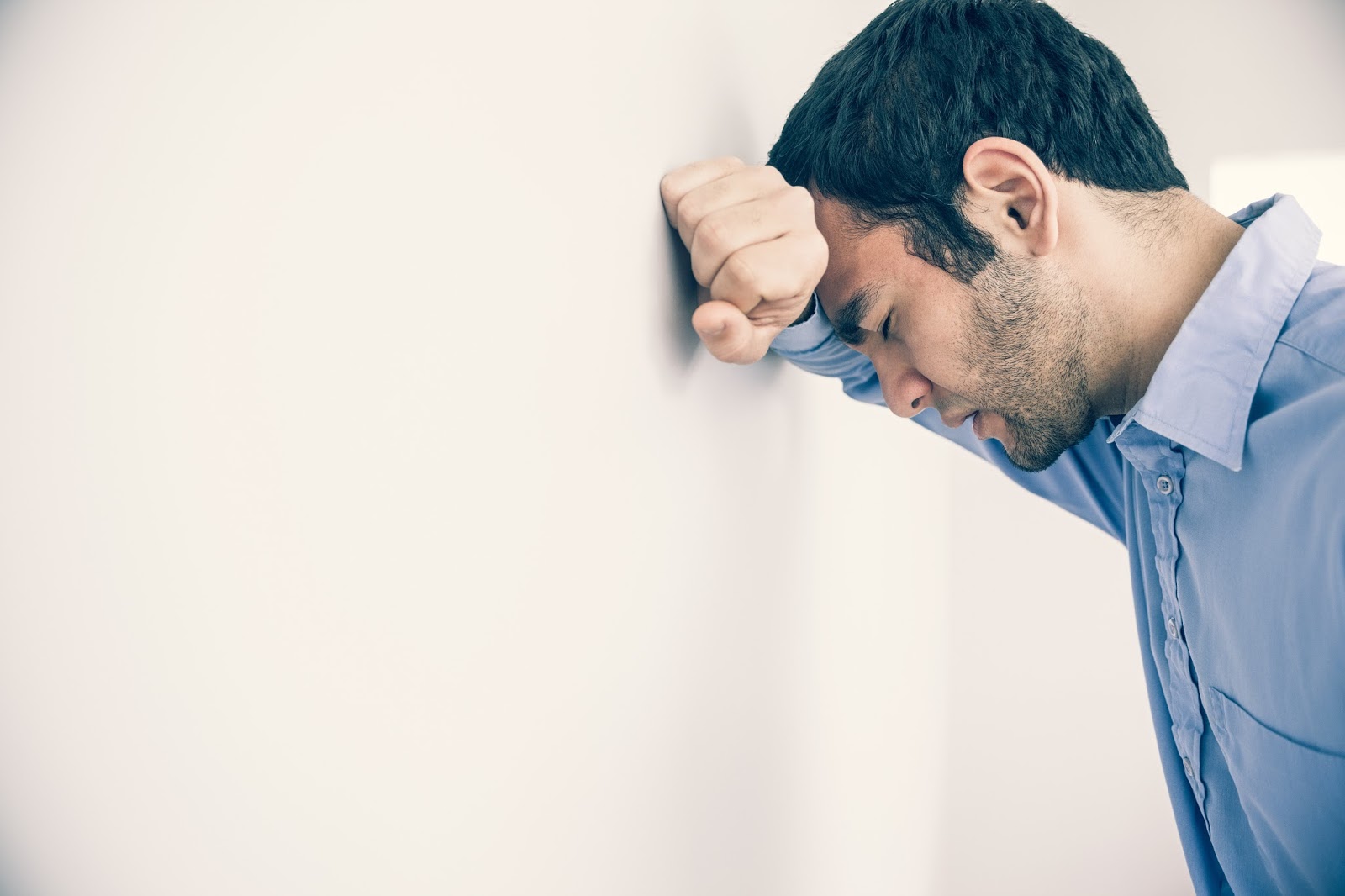
Alcohol Abuse Is Dangerous And Must Be Addressed


One of the biggest effects of alcohol abuse is the mental state it puts a person in to not be able to control or even address the problem at hand. Alcoholism can sneak up on people and cause them to be in complete denial and oblivious to their true environment and situation, including their health. This is dangerous, and that is why you always hear about interventions because the problems must be addressed. The interventions pose a way for people to come together to help influence and convince a person to confront his or her alcoholism.

The signs of alcoholism are not always easy to spot but in combination with one another paint a much more complete portrait. If you are watching out for someone you think might be an alcoholic, make sure you approach the person with love. Alternatively, you can get together with other people first or dish the issue to the appropriate people, such as close family members to the person with the issue.

It is always important to act, whether you are the person suffering from alcoholism or when you know someone who is an alcoholic. There are always going to be local meetings that one can attend, and there are also inpatient and outpatient clinics that a person can enroll in to seek treatment. The outpatient programs especially are focused on a complete overhaul to allow the person to have the proper avenues for conquering their addictions one step at a time.

Alcohol itself is part of many staggering statistics that are not easy to read. The effects of alcohol can be deadly in a variety of ways, especially from long-term substance abuse. Alcoholics and binge drinkers must gain control of their drinking, or it will take its toll on the liver and other parts of the body.

Alcohol Abuse Treatment with Mental Health Treatment and Counseling:

Summit Behavioral Health
 

Friday, May 16, 2014

A Quick Look At Treating An Addiction To Pain Medication

When one 'pops' a pain killer, you may not realize you are ingesting an opioid.  Unless you are aware of pharmacological terminology and have medical training, you will be unaware of what an opioid even is and how it can affect a system.  Many will associate an opioid with opium thinking it's a negative substance; but today opiates are used as pain killers and are generally positive substances.  The only risk is that these medications can lead to addiction if not used as prescribed.

Oxymorphone, morphine, codeine and oxycodone are only a few of the pain killers doctors will prescribe as a means of pain relief.  However, as effective as these medications are, you must be aware of the sufficient amount for intake or run the risk of spiraling into the world of an opioid addict.  Addiction is difficult to identify, but it can be avoided through self-control.

When falling into a form of substance abuse, it can be very difficult to remove yourself from that situation.  The first step to rehabilitation and recovery is identification of the problem by the addict.  Once this is done, you must be willing to change your addictive behaviors.  Without the addict's desire to change, no amount of treatment will be effective.  If the individual is disinterested he/she will return to their old behaviors.

There are various means of overcoming an addiction to opiates, such as going to a rehabilitation treatment center.  The withdrawal an addict will face can be difficult to handle including symptoms of insomnia, agitation, nausea, vomiting and diarrhea.  The recovering addict will also face muscle aches, tremors and even convulsions.  A strong psychological symptom is heightened anxiety and depression.

In some rehabilitation centers the trained professionals may choose to administer medication to control the addiction and ease the transition from addict to non-addict this way.`

Wednesday, May 7, 2014

How to Beat Methylphenidate Addiction


Methylphenidate is also known as Ritalin. It is frequently used as a treatment for ADHD, but it is sometimes over-prescribed or given to people who do not have a medical need for it. When it is used wrongly, to treat behavioral problems or to help a student who does not have ADHD focus on their studies, for example, it can be very dangerous.

Thousands of young people take Ritalin every year recreationally, or as a drug to help them study. Ritalin is marketed on the street as Vitamin R, MPH, or R Ball, and as many as six percent of all students try using Ritalin illicitly at some point in their school careers.

Ritalin is rarely addictive when it is taken correctly, because doctors supervise the dosage and make sure that it is correctly in line with dopamine changes in your brain. People who take methylphenidate recreationally tend to start with doses that are too high, and this can cause changes in the brain that make addiction much more likely to occur.

Once a person is addicted to Ritalin, it can be quite difficult to break the addiction. Methylphenidate addiction is a serious condition and the withdrawal symptoms can be severe. Withdrawal side effects include insomnia, mood disorders, panic attacks, anxiety and depression. In addition, the drug has some appetite suppressing properties and if it is taken in excess then the addict may find that they experience rapid and severe weight loss. It is possible to overdose on Ritalin, and this could cause tachycardia, which means that the heart rate becomes elevated. In people who suffer from undiagnosed heart conditions this can be fatal.

If you or someone you know is addicted to methylphenidate, then it is important to seek professional medical advice. Do not try to stop taking ritalin by yourself. It is important to have the withdrawal process supervised by a qualified medical professional.

Mental Health Issues and Substance Abuse Treatment in a Comprehensive Program:

mental health treatment
 

Thursday, May 1, 2014

Are Prescription Drugs Dangerous For Addictive Personalities?


When trying to understand addiction, you will find that an addict is someone who ends up hooked on something enough so where it causes a problem in their life. Most of the time, an addict will be into dangerous drugs such as cocaine or heroin. No matter what type of drug they are addicted to, you will find that there can end up being a number of other things that you will have to worry about including any sort of prescription drugs. There are a number of people who fall victim to addiction to all different types of prescription drugs, such as painkillers and psychiatric drugs. Generally, a person who has an addictive personality or a history of addiction will find that they are also in danger of an addiction to prescription drugs.

Drugs that are psychiatric in nature will often cause addiction more than many of the other drugs in different categories. Usually, these drugs will lead to a whole new level of tolerance within the body and can lead to addiction being the next step. Once the tolerance level is boosted, the patient will have to start taking more and more of the drug in order to get relief of their disorder or illness. The effects of the psychiatric drug are then weakened and the dosage will need to be increased to help mimic the initial effect. In most cases, if the level is not increased, the patient can end up going through withdrawal symptoms that can include agitation, muscle aches and anxiety.

Pain pills, or opioids, are often prescribed for pain relief of any variety of injuries or chronic pain. The unfortunate fact is that these pills are also very addictive to many people, whether they have an addictive personality or not. There are also a number of younger people, especially teenagers, who are getting into taking prescription pain medication and are becoming addicted as a result.

Whenever you feel as though you or someone that you know is developing a problem with addiction to prescription drugs, it is important that help is sought after as soon as possible. Recognizing a problem is the first step. From there, you can go on to get quality treatments that will help to alleviate the addiction.

Friday, April 18, 2014

Addiction to Pain Meds Like Oxycodone

When a person experiences an injury or undergoes surgery, it is a common practice for the doctor to prescribe painkillers to help the patient get through the initial stages of recovery. After a period of time, the physician will reduce and eventually stop prescribing the medication. For most patients, they are able to continue recovery without incident. However, a small percentage of patients will experience addiction to pain meds.

For those who have become addicted to them, they will turn to other sources to obtain more. Often, the first resource people will turn to is other doctors. Emergency rooms across the country are accustomed to seeing addicts come in looking to get more medication. They will generally send the patient away without prescribing more of the substance.

In that case, addicts will turn to the streets to find more OxyContin or other painkillers to satisfy their cravings. These drugs are unregulated and expensive. Because they are available in supply limited only by financial concerns, the addict may begin to consume even more than they had originally.

A similar problem occurs when users go to the Internet to find more drugs. Not only can the person get as much as they can afford, these present the additional problem of not coming from pharmacies that meet medical standards. Often, they are produced in third world countries. They may contain harmful fillers or have other problems.

For those that have become addicted to pain medications, treatment is the best choice. Addiction centers can help a person get clean from these harmful substances.

If you or someone you know has developed a problem with painkillers, it is best to seek help immediately. In treatment, resources are available to help the addict learn how to live without drugs. It is never too late to ask for help.

Monday, April 14, 2014

Medical Marijuana Can Be Habit Forming


More and more states are passing legislation that legalizes marijuana for medical purposes within those states. For the majority, the marijuana does actually serve a medical purpose and is quite helpful in treating many debilitating diseases such as epilepsy, chronic pain, and even for the treatment of some forms of cancer. While the drug is a miracle drug for those suffering from a variety of diseases, it is also still a drug and carries with it the risk of abuse and can be habit forming.

While there have been limited studies into whether or not cannabis can cause physical addictions or not -- there has shown little concern over the risk of addiction with marijuana -- the drug does indeed carry a risk for forming of habitual use. This means that individuals using medical marijuana may develop a habit of continuous use, regardless of the perceived medical benefits. Smoking the marijuana itself seems to be the form of use that most often leads to habits.

For those that are using medical marijuana, and fear that they have formed a habit of the continual use of medical marijuana, there are plenty of programs that can help you end the abuse of medical marijuana. Just as those that are legitimately prescribed painkillers can form an addiction, so can those that are prescribed marijuana. In both cases there are treatment programs and drug counseling that can help you to remove your dependency on marijuana. These programs will assess the benefits of marijuana use over the negatives, and will sort out your options for alternative therapies if necessary.

Thursday, April 3, 2014

Rehabilitation is Important for Drug Addicts


Addiction is something that usually creeps slowly into the life of a person. What may have begun as weekend parties or medication after an accident can turn into full blown addiction before a person even realizes it. This addiction can destroy every aspect of life, including work and family. Because of this, it is important that addicts get treatment as quickly as possible.

If you are ready to get rid of your addiction and reclaim your life, the first thing you need to do is find a rehabilitation center in your area. Finding out about the treatment options available will help you to determine how to proceed. If possible, you may want to ask a loved one to help you through this part of the process. Because drugs interfere with normal thought processes, it may be difficult for you to figure out what you need to do.

Remember that rehabilitation is critical for getting your life back on track. You may have lost your job or even several jobs due to your addiction. Once you have went through rehab, you will find it easier to find a new job. Many employers respect those who have addressed their problem and are willing to give a recovering addict the opportunity to become financially self sufficient again.

It is likely that your relationships with friends and family have also suffered due to your addiction. Once you have been through rehab, you will have the opportunity to rebuild those relationships. Your family loves you and wants what is best for you. Even if they have quit talking to you, it is likely because it has become too painful for them. Going into rehab will show them that you are serious about changing your life.

The staff at a rehabilitation center can help you to repair these aspects of your life. When you first arrive, the trained professionals will assist you in getting through the withdrawal period. This can be physically, mentally and emotionally painful. You may receive some medications to help you through the detoxification period.

Then, the staff and other patients will become a great source of support as you look at the various ways addiction have effected your life. You will also learn new skills to help you deal with the problems in life more efficiently. You will attend group and individual therapy sessions. Many centers also have a time for your family to attend sessions with you. During these, you can discuss the various issues your addiction has caused in these relationships. It is the beginning of healing.

The center will also help you figure out a plan for staying clean once you get out. This will include finding various forms of support. Follow their instructions so that you can continue to rebuild your life.

Do not allow addiction and fear to continue to rule your life. Going to rehabilitation will help you to get the help you need to rebuild every aspect of your life.